

Moovment Archetypes
Master the Moovment Archetypes: A Practical Framework for Assessing Posture, Balance and Movement
Moovment Archetypes
Every practitioner has experienced it. Two clients perform the same exercise program. One improves rapidly, while the other struggles despite their best efforts. Why? Because people move differently!
This course introduces the Moovment Archetypes, a practical framework for recognising the common movement patterns that influence posture, balance, exercise technique, injury risk, and performance.
Moovment Archetypes Course
Explore Movement Archetypes
Find out what Moovment Archetype your next client has, and add a new assessment tool to your toolbox.
Learn to recognise the recurring whole body movement patterns that influence how a person stands and moves.
You’ll learn how to step back from isolated joints and exercises and begin identifying the larger pattern in front of you.
Online · On demand · Approx. 2 hours + Live intractive teaching and Q&A with Glenn Bilby
-
This course is ideal for:
• Personal Trainers
• Physiotherapists
• Exercise Physiologists
• Chiropractors
• Osteopaths
• Sports Therapists
• Strength & Conditioning Coaches
• Pilates Instructors
• Movement Coaches
• Healthcare professionals with an interest in movement assessment -
During this 2-hour online course, you'll learn:
✓ The key characteristics of the Moovment Archetypes
✓ A systematic method for movement observation
✓ How different body regions influence one another
✓ How to perform a practical movement gap analysis
✓ How to communicate movement findings in a way clients understand
✓ How archetype recognition can help guide exercise selection
✓ The strengths, weaknesses and common challenges associated with each archetype
✓ How movement archetypes may influence posture, balance, mobility and exercise performanceYou'll also see real examples using advanced 3D visualisation and movement analysis technology, allowing you to observe movement relationships that are often difficult to see with the naked eye.
-
✓ Recognise common movement archetypes in standing posture and movement
✓ Distinguish between different movement strategies used by clients
✓ Apply a practical framework for movement observation and classification
✓ Improve assessment consistency and confidence
✓ Better understand the relationships between posture, balance, mobility and movement quality
✓ Communicate movement findings more effectively with clients
✓ Select more targeted exercise interventions based on observed movement patterns -
Glenn Bilby is a physiotherapist, exercise physiologist, human movement scientist, and founder of Qinematic.
For more than two decades he has worked across healthcare, elite sport, ergonomics, and fitness, helping practitioners better understand how people move.
Glenn has developed and delivered education programs internationally in physiotherapy, exercise science, sports medicine, myotherapy, health innovation, and movement analysis.
He is also the creator of Qinematic's computer vision and digital movement analysis technologies, which have been used to assess and visualise movement in clinical, performance, and wellness settings.
His teaching style combines scientific evidence with practical application, helping practitioners develop observation and reasoning skills they can immediately apply with clients. -
Yes, most of the course material is online to study in your own time. You will also get access to a live interactive Q&A sessions.
What the course is about
This course introduces the Moovment Archetypes, a practical framework for recognising the common movement patterns that influence posture, balance, exercise technique, injury risk, and performance.
You'll learn how to systematically observe movement, identify recurring patterns, and understand what those patterns may mean for assessment, exercise selection, and client outcomes.
Whether you're a personal trainer, physiotherapist, exercise physiologist, chiropractor, osteopath, or movement coach, you'll gain a clearer and more repeatable approach to movement assessment.
Consider these common scenarios:
• One client squats effortlessly while another consistently struggles with depth and balance.
• One client bends from the hips, while another rounds through the spine.
• A client appears to lean to one side, but is the problem in the shoulders, the pelvis, or both?
• Two clients report the same symptoms, yet move in completely different ways.
How do you know what you're really looking at?
And more importantly, how do you decide what to do next?
The Moovment Archetypes provide a practical framework for answering these questions.
By understanding common movement archetypes, you'll develop a structured approach to observing posture, movement behaviours, and exercise performance, allowing you to identify meaningful patterns with greater confidence.
The majority of people display recognisable movement patterns that can be observed in posture, balance, and functional movement tasks.
Some of these patterns resemble what the scientific literature describes as postural types or postural orientation errors.
Others are instantly recognisable in practice but have rarely been discussed as a formal system for classifying movement.
Once you learn to recognise these archetypes, you'll start seeing them everywhere.
The real value lies not only in recognising them, but understanding:
• Why they may develop
• How they influence function and performance
• How they may contribute to discomfort or injury
• What strategies may help improve them

About Moovment Academy
-
Continue to grow
We all move in unique ways.
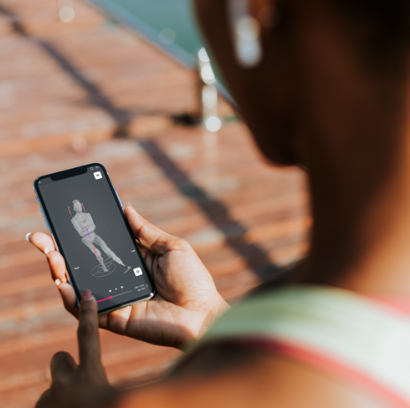
After literally seeing thousands of clients through our 3D technology, and scanned hundreds, we have identified archetypical movement patterns. The Moovment Archetypes provides a system to help identify how people move, as a basis for movement assessment and designing corrective exercise programs. Movement Quality gives you new insights into the importance of movement and Moovment Connections explore the connections between the tree girdles.
Continue to grow in your profession with Moovment Academy.
-
Your Instructor
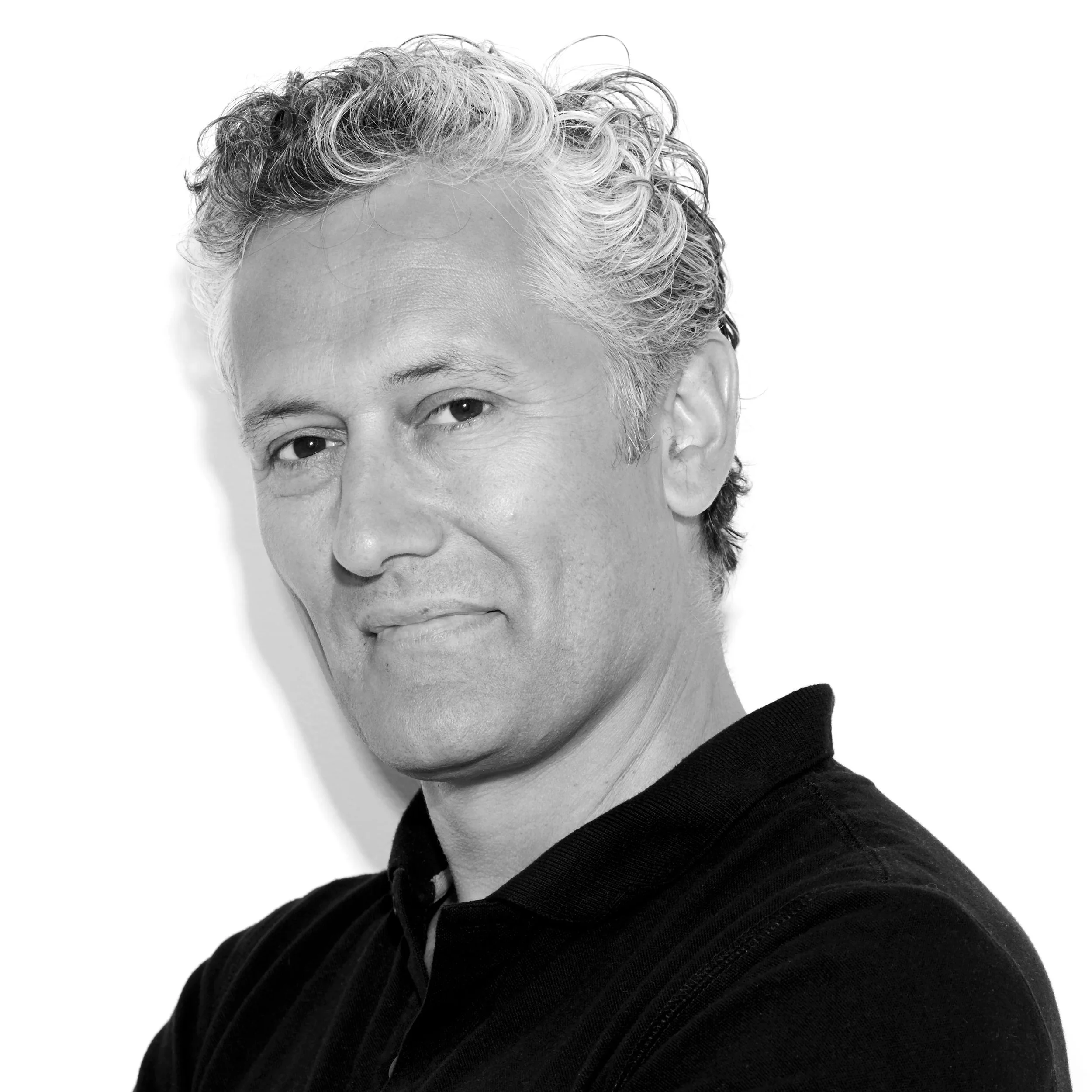
Glenn Bilby, Sport Scientist and Physiotherapist
With 30 years of experience working with human movement. performance and rehabilitation he has seen it all.An appreciated teacher and clinician, he has taught both practical and theoretical courses in anatomy, physiology, biomechanics as well as professions such as physiotherapy at universities and private workshops in Europe, USA, UK, Asia, Middle East and Australia.
-
Moovment Archetype
Online + Live interactiv training and Q&A
This unique framework for understanding the body that is brought to you by Moovment Academy combines scientific literature with applied knowledge.
You get an easy to understand step-by-step process and system for immediate implementation. Each course is stand alone and not in need of scan technology, so anyone with an interest in the assessment of balance, posture and movement patterns can attend.
Join the online course about Moovment Archetypes. Learn the typical movement patterns, how to identify them, and what to do about them.
Frequently Asked Questions
-
This course is ideal for:
• Personal Trainers
• Physiotherapists
• Exercise Physiologists
• Chiropractors
• Osteopaths
• Sports Therapists
• Strength & Conditioning Coaches
• Pilates Instructors
• Movement Coaches
• Healthcare professionals with an interest in movement assessment -
Glenn Bilby is a physiotherapist, exercise physiologist, human movement scientist, and founder of Qinematic.
For more than two decades he has worked across healthcare, elite sport, ergonomics, and fitness, helping practitioners better understand how people move.
Glenn has developed and delivered education programs internationally in physiotherapy, exercise science, sports medicine, myotherapy, health innovation, and movement analysis.
He is also the creator of Qinematic's computer vision and digital movement analysis technologies, which have been used to assess and visualise movement in clinical, performance, and wellness settings.
His teaching style combines scientific evidence with practical application, helping practitioners develop observation and reasoning skills they can immediately apply with clients. -
Yes, most of the course material is online to study in your own time. Followed by a live interactive Q&A session on the 22 October 2026.
-
No, you do not need a 3D or 2D scan to participate in this course. However , you will be able to see the view in the course as it is a too to show you unique visualsation of how the body moves.
Our Courses
Explore our courses designed to help you move forward with confidence, wherever you're headed next.

Bring your new knowledge to life.
Our services is designed to help you move forward with confidence, wherever you're headed next.
If you are curious about a next step bringing a different view into your practise with 3D movement scan. Moovment Academy Students get a discount on a 3D body scan consultation. Get a real life experience of how your client could experience a new way of service.
Our process is simple. Come and and try.
In person and remote options
Our clinic is conveniently located in Östermalm in Stockholm. A place to connect with Glenn and book an appointment.
As a student at Moovment Academy, you get a discount to try the 3D body scan at our flagship studio. A proof of concept to bring the Moovment System to your facilities.

Learn to see the details that can change how you understand movement.