

Moovment Connections
Master the Moovment Connections
Moovment Connections
Many practitioners focus on the area that presents the symptom.
This program helps you recognise the regional interactions that often influence those symptoms.
Once those relationships become visible, movement assessment becomes significantly easier to organise and explain.
This program introduces the Moovment Connections. Learn how movement i screated, transferred and compensated throughout the body.
Moovment Connections Certificat Program
Explore Movement Connections
Have You Ever Wondered why treating the painful area doesn't always solve the problem or why two people with similar symptoms move completely differently? This course helps answer those questions.
Learn how movement is created, transferred and Compensated throughout the body.
Certification program
Online · On demand · + Live intractive teaching and Q&A with Glenn Bilby
-
This course is ideal for:
• Personal Trainers
• Physiotherapists
• Exercise Physiologists
• Chiropractors
• Osteopaths
• Sports Therapists
• Strength & Conditioning Coaches
• Pilates Instructors
• Movement Coaches
• Healthcare professionals with an interest in movement assessment -
Throughout four weeks of guided learning you'll explore:
✓ The major movement regions that influence whole-body function and their anatomy
✓ How force is created, transferred and controlled throughout the body
✓ The relationships between the shoulder complex, trunk and pelvis
✓ How regional deficits can influence exercise performance
✓ Common movement compensations and adaptation strategies
✓ A structured visual assessment framework
✓ Practical case studies from rehabilitation, fitness and performance settings
✓ Exercise strategies designed to influence movement connections
✓ Clinical reasoning approaches for movement analysis -
✓ Understand how the shoulder complex, trunk and pelvis contribute to movement
✓ Recognise how movement is transferred between different regions of the body
✓ Assess key movement connections using a structured visual framework
✓ Identify regional deficits that may affect movement elsewhere
✓ Recognise common compensation strategies throughout the body
✓ Improve movement assessment consistency and clinical reasoning
✓ Better understand the relationship between function and exercise selection
✓ Select exercises that target the underlying drivers of movement dysfunction
✓ Develop a more comprehensive approach to analysing whole-body movement
✓ Explain movement problems with greater confidence
✓ Build more targeted exercise programs
✓ Improve client communication and education
✓ Reduce guesswork during assessments
✓ Identify movement drivers rather than symptoms
✓ Progress clients more effectively
✓ Support better long-term outcomes -
Glenn Bilby is a physiotherapist, exercise physiologist, human movement scientist, and founder of Qinematic.
For more than two decades he has worked across healthcare, elite sport, ergonomics, and fitness, helping practitioners better understand how people move.
Glenn has developed and delivered education programs internationally in physiotherapy, exercise science, sports medicine, myotherapy, health innovation, and movement analysis.
He is also the creator of Qinematic's computer vision and digital movement analysis technologies, which have been used to assess and visualise movement in clinical, performance, and wellness settings.
His teaching style combines scientific evidence with practical application, helping practitioners develop observation and reasoning skills they can immediately apply with clients. -
Yes, most of the course material is online to study in your own time. Followed by a live interactive Q&A session on the 22 October 2026.
What the course is about
Stop Looking at Body Parts in Isolation
Learn How Movement Is Created, Transferred and Compensated Throughout the Body
Most practitioners can identify a movement problem.
Few can explain why it exists, where it originates, and how it influences the rest of the body.
In this four-week certification program you'll learn a practical whole-body assessment framework that helps you move beyond symptoms and identify the movement drivers that influence performance, exercise execution and long-term outcomes
Most movement assessments focus on individual joints, muscles or body regions.
But people don't move in parts.
They move as integrated systems.
A shoulder problem may be influenced by the trunk. A trunk problem may be influenced by the pelvis. A foot strategy may affect the entire body.
To truly understand movement, we must understand the key connections that allow forces to be created, transferred and controlled throughout the body.
Using practical observation methods, case discussions, and real-world examples, you'll develop a systematic approach to understanding movement dysfunction and selecting more effective exercise strategies.
Have You Ever Wondered...
• Why treating the painful area doesn't always solve the problem?
• Why two people with similar symptoms move completely differently?
• Why mobility interventions sometimes fail despite apparent restrictions?
• How a deficit in one body region can influence movement elsewhere?
• Whether you're focusing on the cause of dysfunction or simply reacting to symptoms?
• How to evaluate movement without relying exclusively on technology or measurements?
This course helps answer those questions.
Learn a Practical Visual Assessment Framework
Rather than assessing the body as a collection of isolated parts, you'll learn a systematic framework that evaluates key movement regions and the relationships between them.
The framework helps practitioners:
✓ Organise what they observe
✓ Reduce observational bias
✓ Improve assessment consistency
✓ Understand movement interactions
✓ Develop clearer exercise strategies
✓ Explain movement findings more effectively to clients
By the End of This Course You Will Be Able To:
✓ Understand how the shoulder complex, trunk and pelvis contribute to movement
✓ Recognise how movement is transferred between different regions of the body
✓ Assess key movement connections using a structured visual framework
✓ Identify regional deficits that may affect movement elsewhere
✓ Recognise common compensation strategies throughout the body
✓ Improve movement assessment consistency and clinical reasoning
✓ Better understand the relationship between function and exercise selection
✓ Select exercises that target the underlying drivers of movement dysfunction
✓ Develop a more comprehensive approach to analysing whole-body movement
✓ Explain movement problems with greater confidence
✓ Build more targeted exercise programs
✓ Improve client communication and education
✓ Reduce guesswork during assessments
✓ Identify movement drivers rather than symptoms
✓ Progress clients more effectively
✓ Support better long-term outcomes
Many practitioners focus on the area that presents the symptom.
This program helps you recognise the regional interactions that often influence those symptoms.
Once those relationships become visible, movement assessment becomes significantly easier to organise and explain.
What You'll Learn
Throughout four weeks of guided learning you'll explore:
✓ The major movement regions that influence whole-body function and their anatomy
✓ How force is created, transferred and controlled throughout the body
✓ The relationships between the shoulder complex, trunk and pelvis
✓ How regional deficits can influence exercise performance
✓ Common movement compensations and adaptation strategies
✓ A structured visual assessment framework
✓ Practical case studies from rehabilitation, fitness and performance settings
✓ Exercise strategies designed to influence movement connections
✓ Clinical reasoning approaches for movement analysis
Program Structure
Unlike a single workshop or webinar, this program allows you to progressively develop your assessment skills over four weeks through guided learning, case discussions, practical application and direct instructor feedback.
This certification program includes:
✓ Four weeks of guided learning
✓ Weekly live online workshops
✓ On-demand educational modules
✓ Practical movement assessment tasks
✓ Real case discussions
✓ Opportunities to present your own client cases
✓ Certification from Moovment Academy
✓ Direct interaction with the instructor throughout the program
About the Instructor
Glenn Bilby is a physiotherapist, exercise physiologist, human movement scientist and founder of Qinematic.
Over more than three decades he has worked across healthcare, elite sport, ergonomics and fitness, helping professionals understand how movement is created, controlled and adapted throughout the body.
He has taught internationally in physiotherapy, sports medicine, movement science, rehabilitation and health innovation, and is the creator of Qinematic's movement analysis technologies.
His teaching style combines scientific thinking with practical application, helping practitioners develop assessment skills they can immediately apply in clinical and coaching settings.
Learn to See Movement as a Connected System
Better movement assessments are not about noticing more details.
They're about understanding which details matter.
This certification program will help you organise what you see, improve your reasoning, and develop a practical framework for identifying how movement is created, transferred and compensated throughout the body.
Whether you work in rehabilitation, fitness, performance or health coaching, you'll leave with a clearer and more systematic approach to understanding movement.

About Moovment Academy
-
Continue to grow
We all move in unique ways.
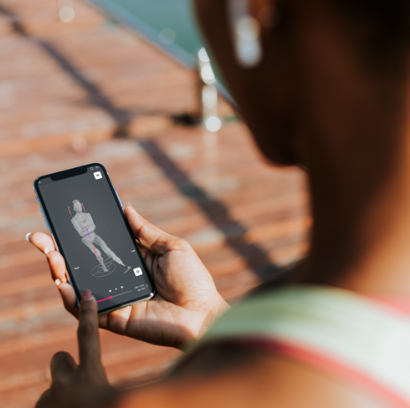
After literally seeing thousands of clients through our 3D technology, and scanned hundreds, we have identified archetypical movement patterns. The Moovment Archetypes provides a system to help identify how people move, as a basis for movement assessment and designing corrective exercise programs. Movement Quality gives you new insights into the importance of movement and Moovment Connections explore the connections between the tree girdles.
Continue to grow in your profession with Moovment Academy.
-
Your Instructor
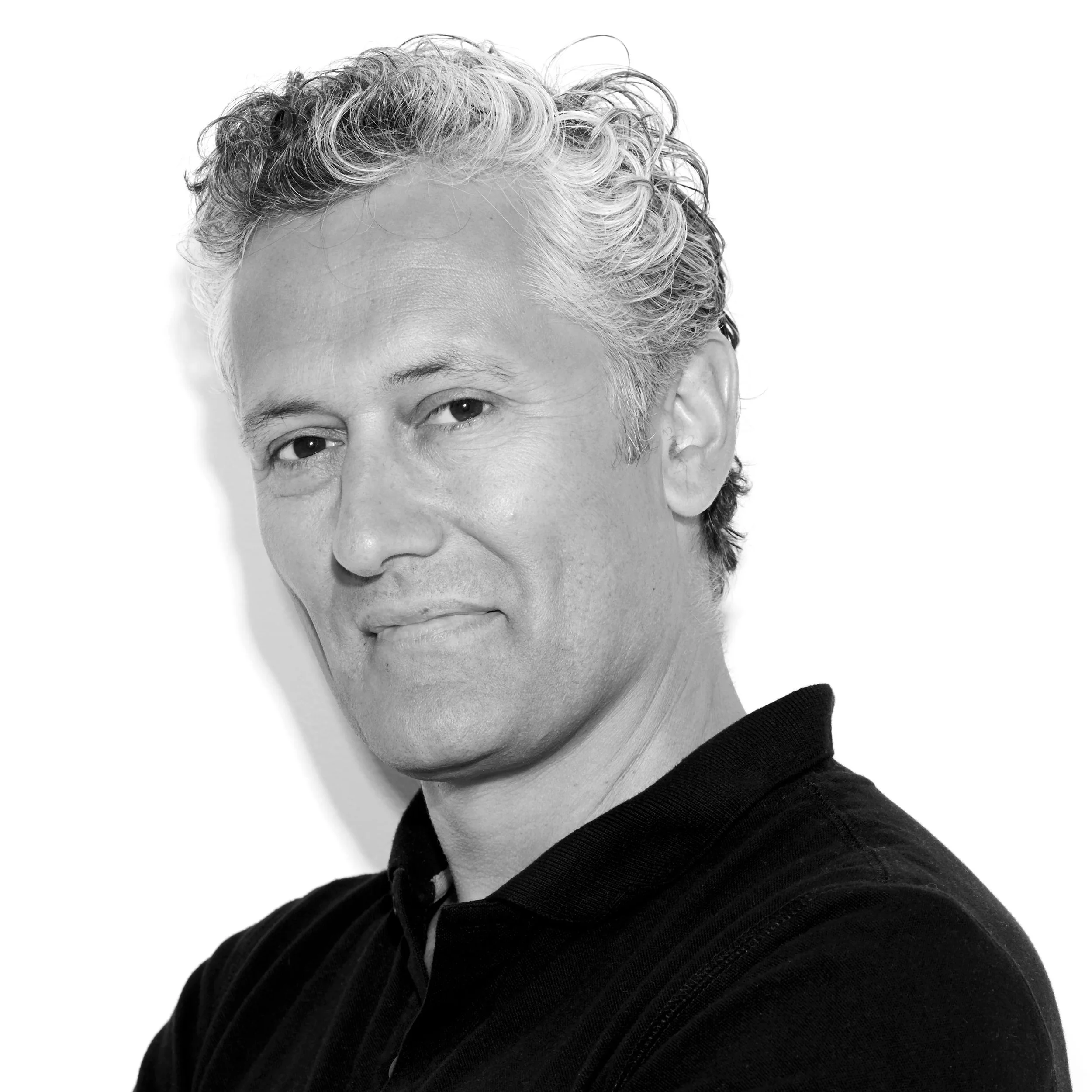
Glenn Bilby, Sport Scientist and Physiotherapist
With 30 years of experience working with human movement. performance and rehabilitation he has seen it all.An appreciated teacher and clinician, he has taught both practical and theoretical courses in anatomy, physiology, biomechanics as well as professions such as physiotherapy at universities and private workshops in Europe, USA, UK, Asia, Middle East and Australia.
-
Moovment Connections
Certification. 4 week Online + Live interactiv training
Unlike a single workshop or webinar, this program allows you to progressively develop your assessment skills over four weeks through guided learning, case discussions, practical application and direct instructor feedback.
You get an easy to understand step-by-step process and system for immediate implementation. Each course is stand alone and not in need of scan technology, so anyone with an interest in the assessment of balance, posture and movement patterns can attend.
Join the 4 week online certification program about Moovment Connections.

Frequently Asked Questions
-
This course is ideal for:
• Personal Trainers
• Physiotherapists
• Exercise Physiologists
• Chiropractors
• Osteopaths
• Sports Therapists
• Strength & Conditioning Coaches
• Pilates Instructors
• Movement Coaches
• Healthcare professionals with an interest in movement assessment -
Glenn Bilby is a physiotherapist, exercise physiologist, human movement scientist, and founder of Qinematic.
For more than two decades he has worked across healthcare, elite sport, ergonomics, and fitness, helping practitioners better understand how people move.
Glenn has developed and delivered education programs internationally in physiotherapy, exercise science, sports medicine, myotherapy, health innovation, and movement analysis.
He is also the creator of Qinematic's computer vision and digital movement analysis technologies, which have been used to assess and visualise movement in clinical, performance, and wellness settings.
His teaching style combines scientific evidence with practical application, helping practitioners develop observation and reasoning skills they can immediately apply with clients. -
Yes, most of the course material is online to study in your own time. Followed by a live interactive Q&A session on the 22 October 2026.
-
No, you do not need a 3D or 2D scan to participate in this course. However , you will be able to see the view in the course as it is a too to show you unique visualsation of how the body moves.
Our Courses
Explore our courses designed to help you move forward with confidence, wherever you're headed next.

Bring your new knowledge to life.
Our services is designed to help you move forward with confidence, wherever you're headed next.
If you are curious about a next step bringing a different view into your practise with 3D movement scan. Moovment Academy Students get a discount on a 3D body scan consultation. Get a real life experience of how your client could experience a new way of service.
Our process is simple. Come and and try.
In person and remote options
Our clinic is conveniently located in Östermalm in Stockholm. A place to connect with Glenn and book an appointment.
As a student at Moovment Academy, you get a discount to try the 3D body scan at our flagship studio. A proof of concept to bring the Moovment System to your facilities.

Learn to see the details that can change how you understand movement.